When Are You Going to Go Visit Again in Spanish
Imagine a cave rivered with prehistoric art, a forest dusted with nuclear fallout, and an impenetrable vault burrowed into a ridge of water ice. What do these places have in common? Yes, they're all highly intriguing, merely some other commonality exists: no one is allowed—or, in some cases, able—to visit these locations. From Common cold War-era bunkers and dark tourism favorites to beaches lined with palm trees, our list showcases the destinations yous wish you lot could post on your Instagram account.
Poveglia | Venice Lagoon, Italy
The macabre Poveglia Island sits in the Venice Lagoon off the coast of Northern Italy. Used early on as a military outpost, Poveglia took a night turn in 1576 when the Bubonic Plague struck Venice. Having learned from a devastating plague in the 1300s, Venetians quarantined the sick on Poveglia, and dumped corpses into mass graves on the island's shores.
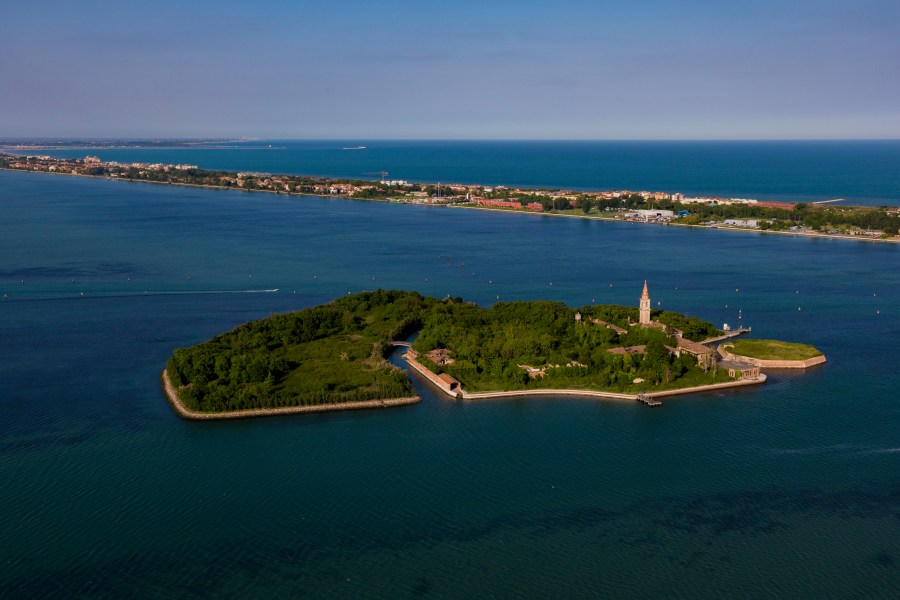
However, the isle's night by doesn't finish there. A mental hospital opened on Poveglia in 1922 and the facility's abusive doctors were notorious for "treating" their patients with lobotomies. Now, it's illegal to gear up foot on the abased island, which is probably for the best. Not only do bones occasionally wash up on Poveglia, but then many people were cremated and cached there that it's estimated that more 50 per centum of the island'southward soil is composed of human ash.
Big Ben Volcano | Heard Island, Commonwealth of australia
Depending upon the route you lot have, Heard Island is betwixt 2,400 and 3,000 miles from mainland Commonwealth of australia—closer, in fact, to Antarctica and riddled with the glaciers to show that proximity. Though these glaciers cover around lxx pct of Heard Island'southward surface, the site'due south virtually intriguing feature remains Big Ben, an active volcano that holds the title of tallest mount in an Australian-owned territory.
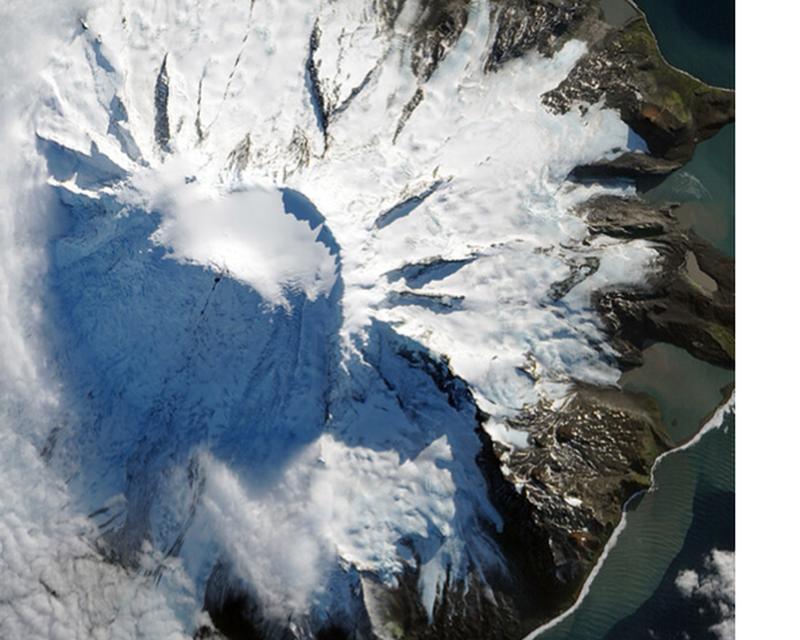
Due to the rough waters, unpredictable conditions, and strict permissions needed from the Australian Antarctic Partition, you won't be visiting this hotspot anytime before long. Still, with everything from lava flows to penguins, Heard Island remains intriguing—maybe even more so for researchers looking to monitor climate alter.
North Blood brother Island | New York City, New York
Sandwiched between the Bronx and Rikers Isle, this 22-acre isle in New York's E River is known for its disturbing past as a quarantine zone, starting with outbreaks of typhoid fever, smallpox, and tuberculosis during the 1880s. N Brother Island's almost notorious short-term resident was Mary "Typhoid Mary" Mallon, who, despite showing no symptoms herself, spread the contagious bacteria to an alleged 51 people.
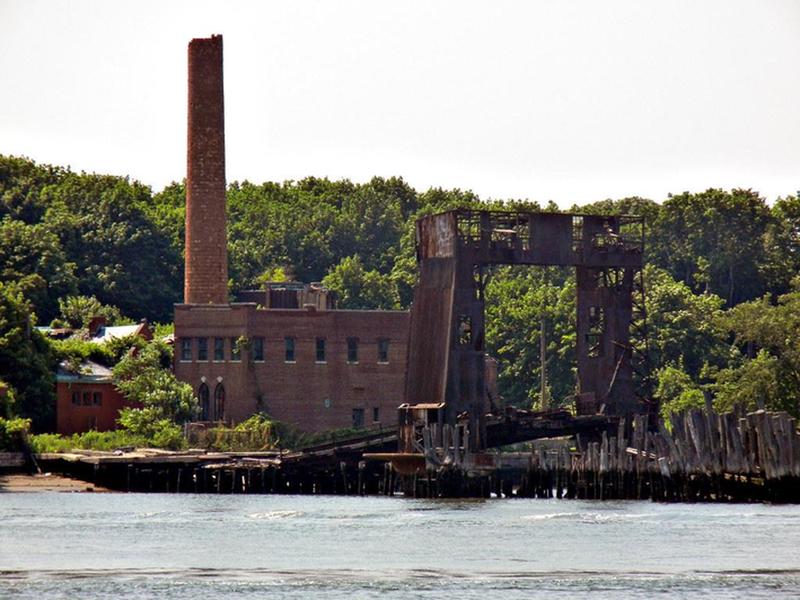
If this dismal footnote isn't enough to solidify North Brother'southward morbid reputation, it was also the site of 1 of the deadliest events in New York's history when one 1000 people perished just offshore in a 1905 steamship fire. In the 1950s, the hospital reopened, housing war veterans, and, later, briefly became a treatment facility for youths experiencing drug addiction, earlier formerly closing in 1963.Sound similar the perfect island getaway? You may exist in luck: New York's Parks Section is considering reopening the island for public tours.
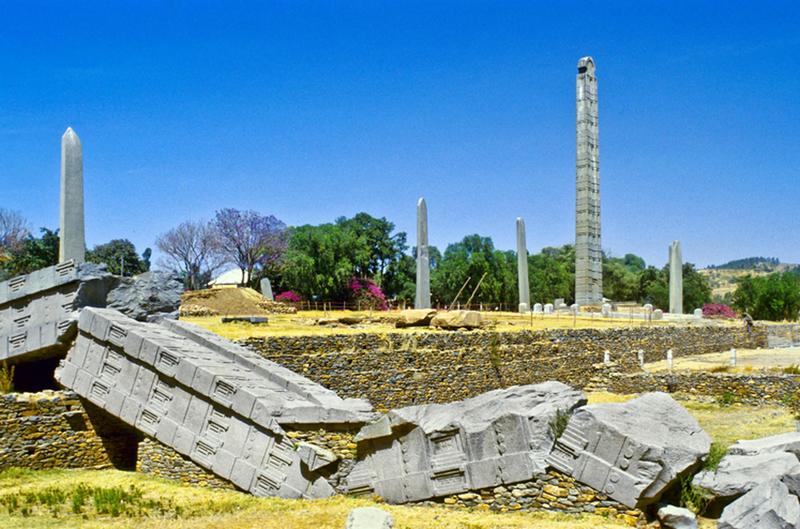
Aksum (or Axum) | Ethiopia
In northern Federal democratic republic of ethiopia, the vestiges of the Aksumite Kingdom, from tombs to obelisks, mingle with Christian churches, such as the well-known Church of Our Lady Mary of Zion. This item church is, in role, what earns Aksum a spot on our list. Though visitors tin can explore many of the ruins, museums, and sites in Aksum, entry into Our Lady Mary'south chapel is strictly prohibited.
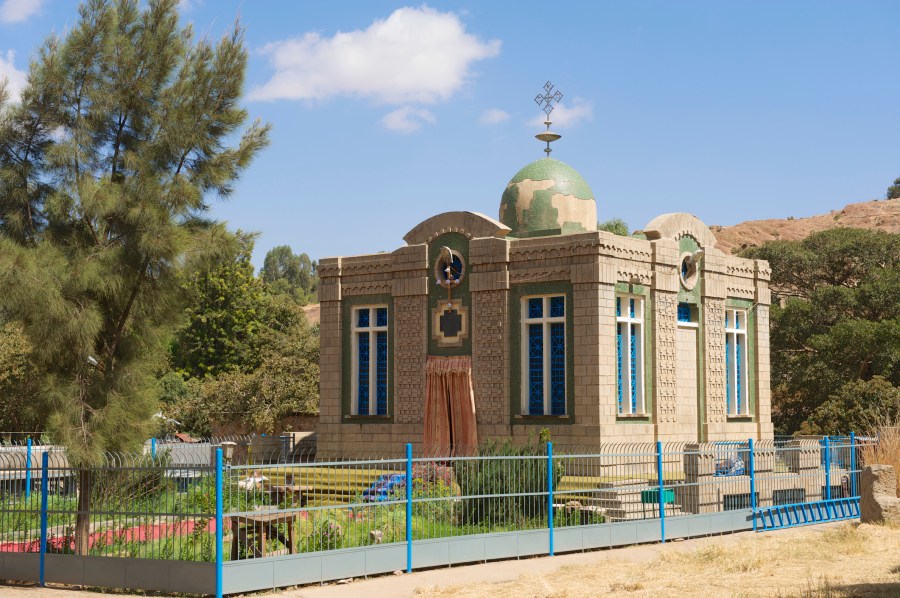
The church claims to be the resting identify of the original Ark of the Covenant, an artifact allegedly built to store the stone tablets upon which the Ten Commandments were inscribed. According to the Bible, the Ark shouldn't be touched—and, according to Indiana Jones, you lot shouldn't wait upon information technology, either. In Aksum, but the appointed guardian monk may enter the chapel and view the Ark, hence the shroud of mystery surrounding its supposed resting place.
Surtsey Isle | Iceland
The volcanic island of Surtsey lies about 18 miles from Iceland. By most standards, Surtsey is a relatively "new" island, created in the aftermath of eruptions that occurred in the mid-1960s. However, unlike Heard Island, volcanoes aren't what's stopping visitors from setting foot on Surtsey.
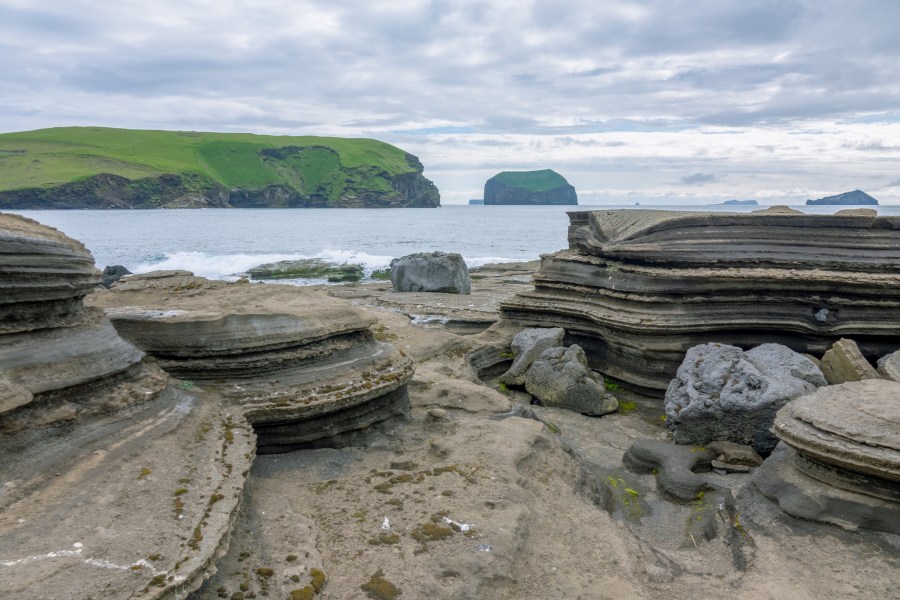
Purposely protected since its creation, Surtsey is completely costless from human being meddling. Instead, scientists have been able to study this unblemished ecosystem and the development of its bacteria, fungi, and plant-life. Excitingly, upward of fourscore species of birds accept been spotted on Surtsey, but our feathered friends will be the only ones nesting there—or dropping by for a visit.
Majority of Hashima Isle | Japan
Hashima Island, also known as "Gunkanjima" due to its resemblance in shape to a battleship, has important ties to undersea coal mining, which began when the Mitsubishi Corporation purchased it in 1890. At its near populous, Hashima Island was once abode to upwards of 5,000 residents. So petroleum gave coal the shaft, leading to the official closure of the mines in 1974.
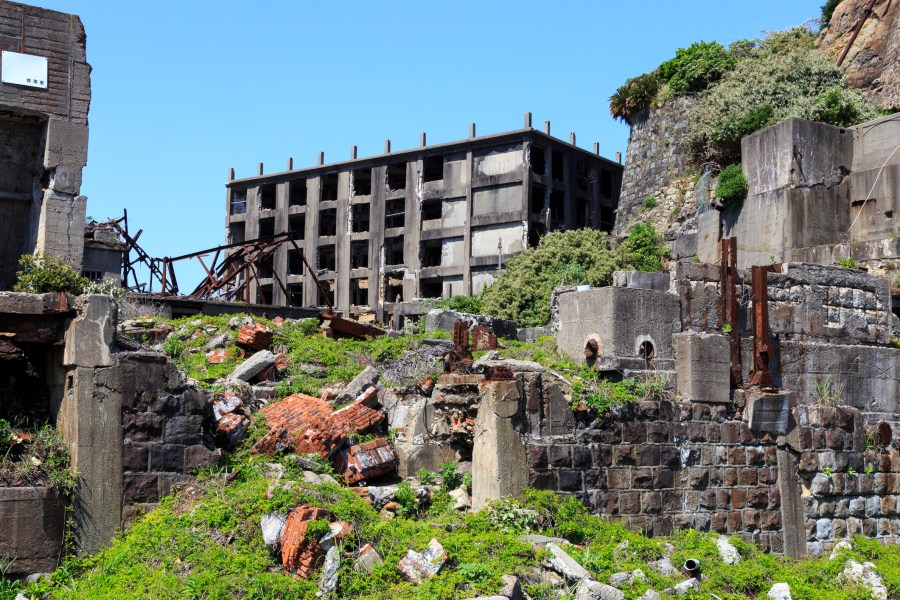
Attempts to protect the island as a UNESCO Globe Heritage Site initially faced backlash due to the island's troubling associations with wartime slave labor. Despite Hashima's harrowing history, visitors nonetheless embark on the 9-mile voyage from Nagasaki to have in the ocean-weathered buildings of this abandoned island. This site makes our list because a vast majority of Hashima remains closed to tourists as the crumbling, overgrown structures have been accounted unsafe.
For this reason, it may be better to table any plans to visit. Unless you lot happen to be James Bond or the bandage and coiffure of Skyfall (2012).
Northward Sentinel Island | Andaman and Nicobar Islands, India
North Sentinel Island, part of the Andaman Isle archipelago, lies in the Bay of Bengal and is home to one of the earth's few remaining largely isolated groups of peoples, called the Sentinelese by those outside their community. Since the tardily 1700s, when the Due east India Company and merchant vessels developed trade routes about the island, the natives of Northward Spotter Island were able to stave off colonial forces. To this 24-hour interval, the Sentinelese remain nearly autonomous.
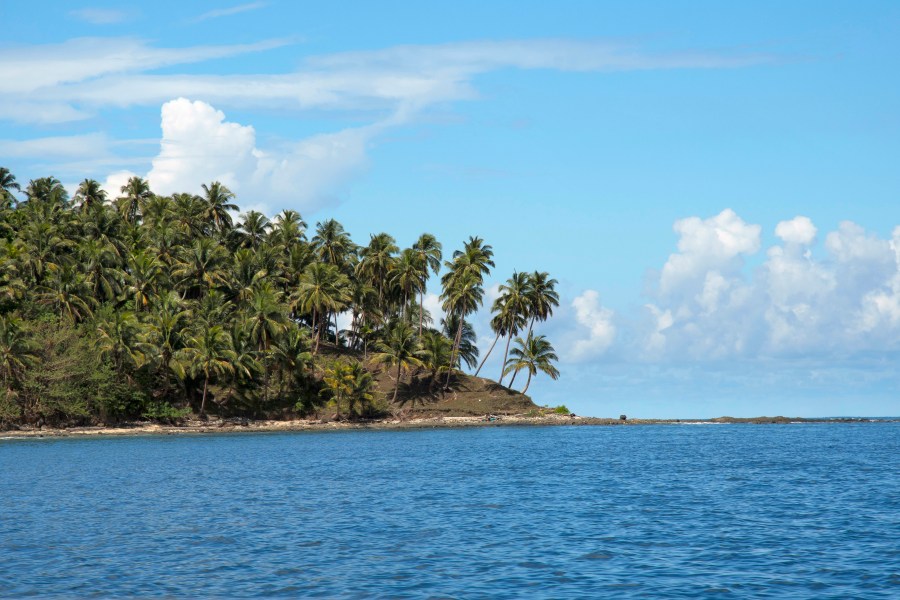
In 2018, North Sentinel Isle grabbed the earth's attending when an American missionary trespassed on the island. Reports from the Indian regime show that the native peoples tried to hunt off the human being, but his insistence to disrespect their wishes to be left alone resulted in the missionary's expiry.Information technology is considered illegal to set human foot on the island and, out of respect for the Sentinelese, that policy won't change.
Vatican Hugger-mugger Archives | Vatican city
In 1612, Pope Paul V decreed that all Catholic Church records should exist housed in the aforementioned, centralized identify. Though a selection of the Archives were displayed in 2012 to mark the institution's 400th anniversary, you lot'd be hard-pressed to receive an invite to the Athenaeum themselves.
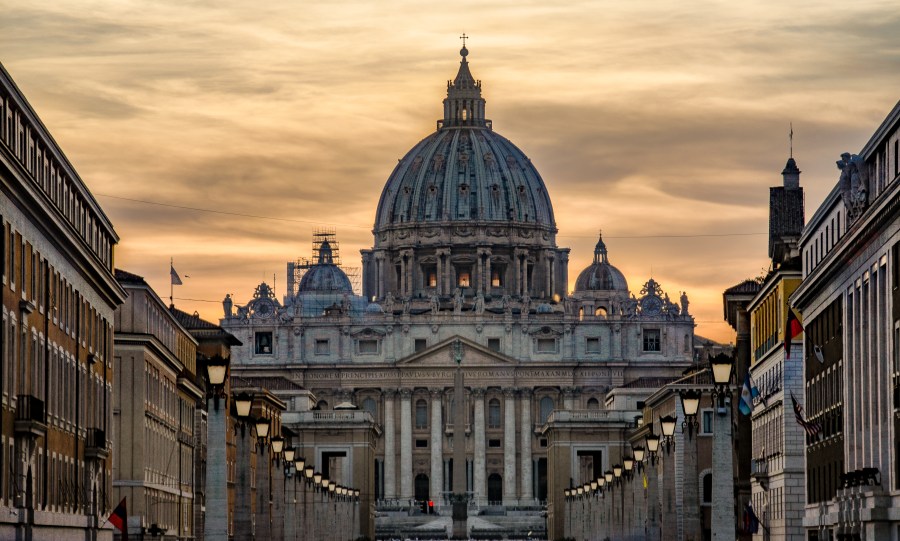
While scholars tin go through a rigorous application procedure to gain entry to the Athenaeum, at that place are yet countless restrictions on the materials they can view. The Archives hold materials dating back to the 8th century, including letters from Michelangelo, challenge he wasn't paid for the painting of the Sistine Chapel ceiling, and Rex Henry VIII's asking to annul his marriage.Not a scholar, only still interested in visiting the Archives? Write a "controversial" depiction of them, as Dan Brown did in his novel Angels and Demons, and maybe the powers that exist will invite you in to abnegate that depiction.
Mendenhall Ice Cave | Juneau, Alaska
This site is unique to our list—not just because the ice caves are a partially hollow glacier, but because this destination is technically accessible. For now. At 12 miles long, the Mendenhall Glacier marks the top of whatever Juneau-bound traveler's to do list, merely only the about daring of adventurers have explored the dazzlingly blue ice caves beneath it.
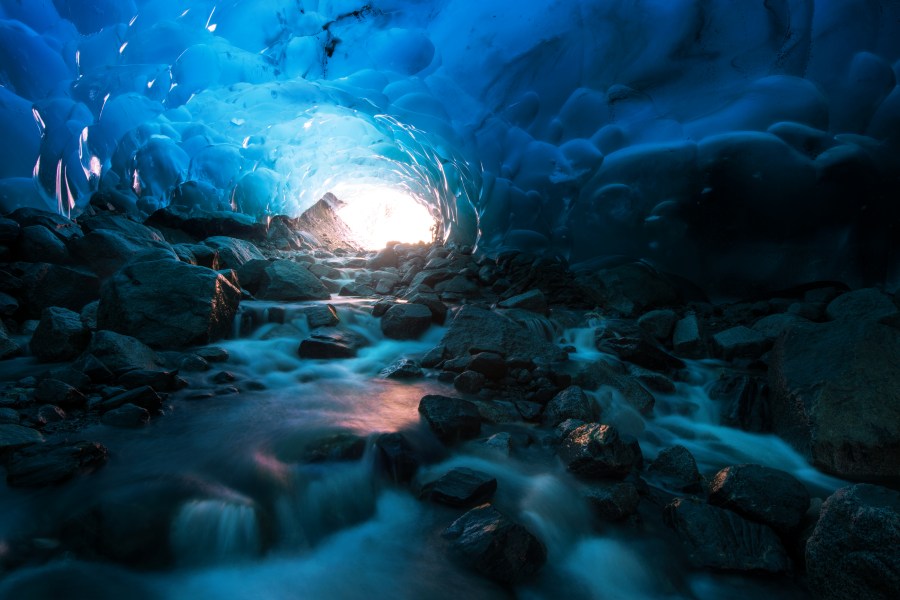
To reach the caves, visitors must either cantankerous the frozen tundra or kayak through miles of choppy water, depending upon conditions, and then climb over the glacier's lip. The natural wonder is likewise wondrously precarious: cave-ins and collapses could happen at any moment. Moreover, the caves are as well being contradistinct irrevocably as the Mendenhall Glacier retreats at an increasingly fast rate due to climatic change.
If this otherworldly, fleeting site tops your bucket list, don't await to visit.
Red Woods | Chernobyl Exclusion Zone, Ukraine
As a result of HBO's series, Chernobyl (2019), which traces the nuclear accident that occurred in 1986 at the Chernobyl Nuclear Power Plant outside the Ukrainian city of Pripyat, interest in the area has reached an all-time high. Only, thank you to the aptly named Red Woods, the number of tourists isn't the only thing growing here.
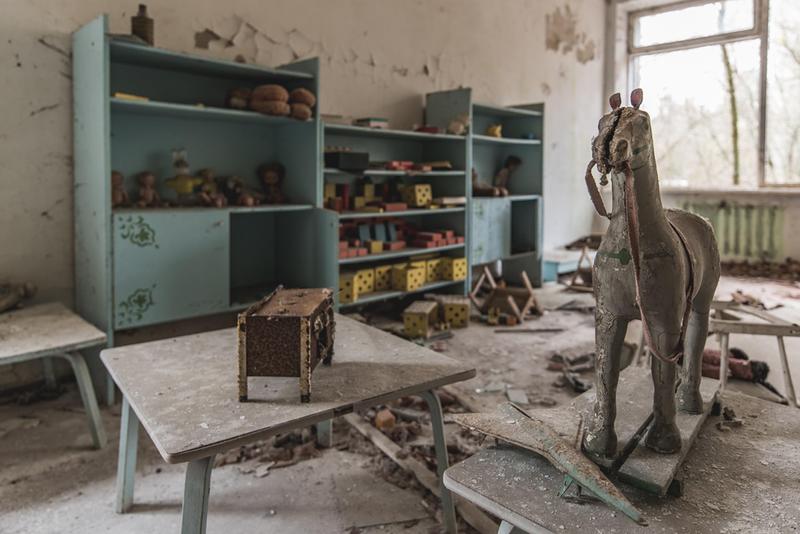
Initially, the pines in the Red Forest, but downwind of the ability establish, turned a ruddy-chocolate-brown colour and died. In 2018, researchers from the United Kingdom sent drones deep into the Exclusion Zone to examination the forest's radiation levels, even though regrowth has begun. Surprisingly, the Ruddy Wood remains one of the most radioactive areas well-nigh the site.While you may be able to book a tour and fifty-fifty stay overnight in Pripyat'south only hotel, access is highly limited. Many areas, including those in the forest, are off-limits to the casual dark tourist.
Cheyenne Mount Complex | Colorado Springs, Colorado
A military installation and bunker located under ii,000 feet of granite seems like something out of the latest Marvel moving picture, but the Cheyenne Mountain Complex isn't S.H.I.E.L.D.'s latest project. Founded every bit a result of the NORAD (then known as the North American Air Defense Command) agreements in 1958, the facility encapsulates exactly the sort of defensive control heart we imagine being built during the Cold War.
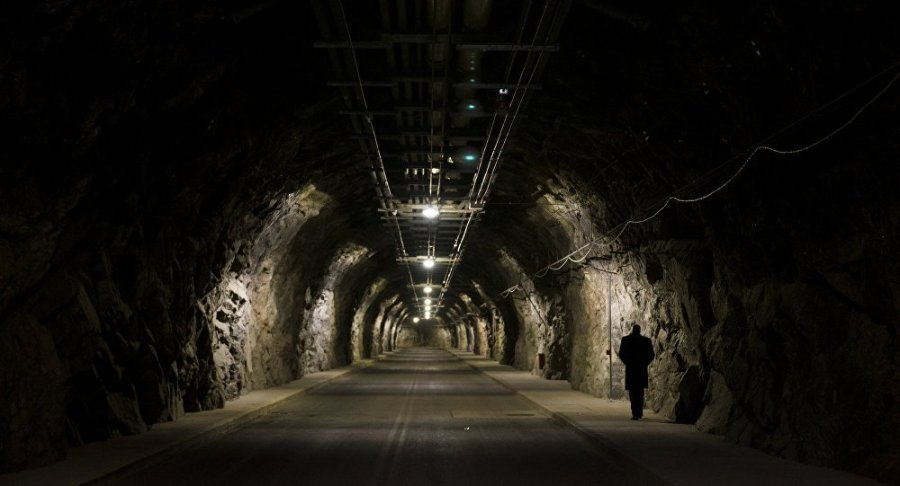
Excavated and retrofitted with blast doors that can withstand nuclear attacks, Cheyenne Mountain isn't your boilerplate hike. And, unless you take the proper security clearance, you won't be visiting its halls anytime soon—at least, not outside of Stargate SG-1 or Independence Day (1996).
The Ise One thousand Shrine | Ise, Mie Prefecture of Honshu, Japan
According to Shinto religion and Japanese myth, Amaterasu is the goddess of the sun and ruler of the heavens. It'due south likewise said that the Emperors of Nihon are her descendants. But what makes Ise Chiliad Shrine off-limits to visitors? Many believe that the Yata no Kagami, Amaterasu's sacred mirror, is housed in the inner shrine of the site.
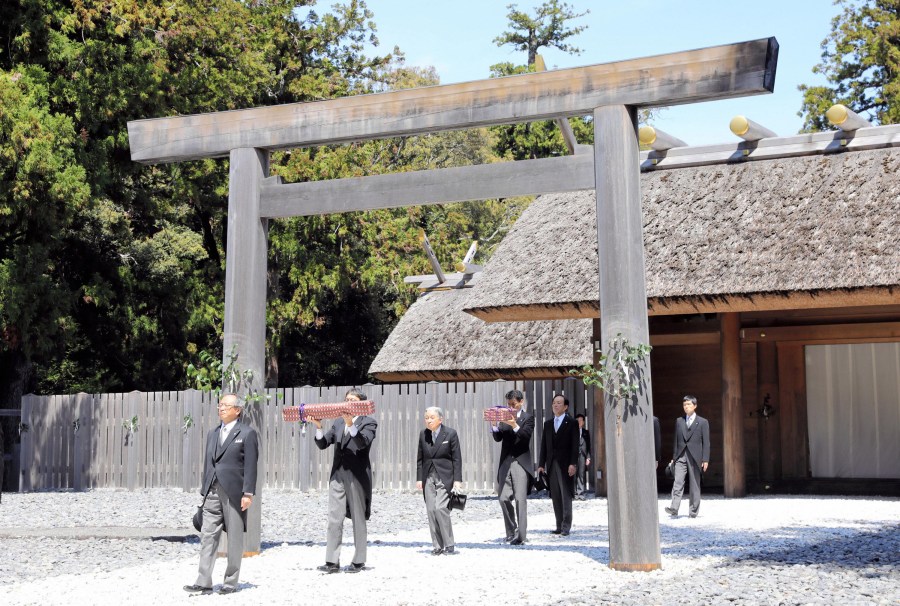
The mirror is one of three objects that make up the Regal Regalia of Nippon—the others being the sword, Kusanagi, and the gem, Yasakani no Magatama. Due to the objects' legendary statuses, the shrines that business firm them are considered some of the about important sites in Shinto organized religion. For this reason, the public is not allowed beyond the wooden fences that encircle the Ise Grand Shrine, though visitors are welcome to tour the walkways and forests surrounding it.
Bohemian Grove | Monte Rio, California
If you've ever suspected that Silicon Valley's rich and powerful composed a modern-mean solar day hole-and-corner lodge, y'all can rest assured that the Bay Expanse's interest in elite, mysterious societies stretches dorsum much further than apps and search engines. Nestled deep in the redwoods of Sonoma County is the nearly 3,000-acre Bohemian Grove, the site of the Maverick Order's annual gathering.
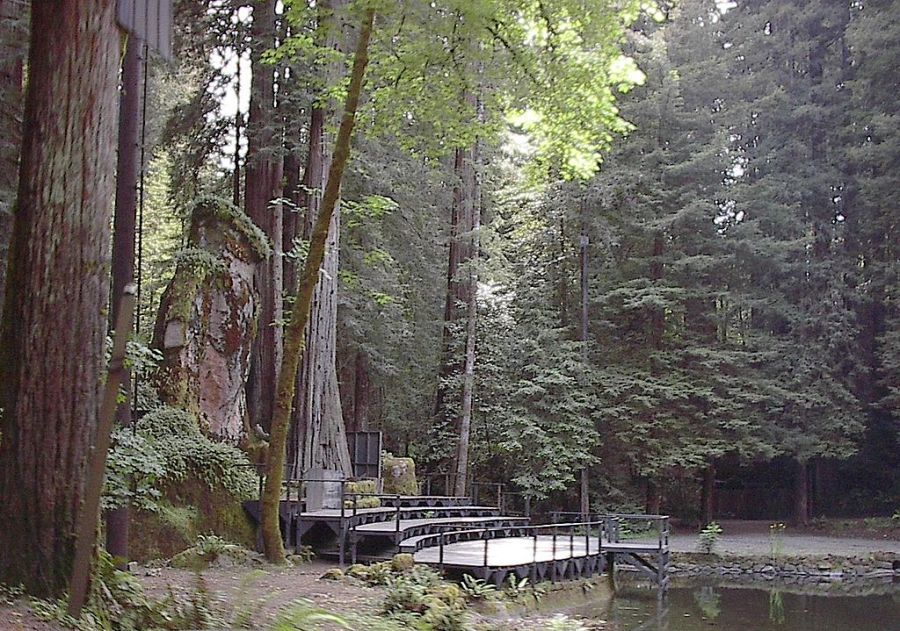
Seemingly filled with debauchery, these midsummer gatherings accept occurred since 1878. The members, all wealthy men—who are by and large white and largely conservative—throw what many believe is a giant, well-funded frat party. Notorious members include William Randolph Hearst, Newt Gingrich, Bob Weir of Grateful Dead and allegedly every Republican president of the United States since Calvin Coolidge.Quondam members claim that there's naught Midsommar (2019) about information technology, despite raging bonfires, a towering Owl Shrine, and a theatrical ceremony nebulously-titled Cremation of Care. Interested? That'll exist $25,000, plus yearly dues.
Ilha da Queimada Grande (or "Ophidian Island") | Brazil
Oftentimes dubbed the "deadliest place on Earth," Ilha da Queimada Grande is notoriously uninhabitable—unless you're a snake. Serpent Isle, equally it's colloquially called, lies about 25 miles off the declension of mainland Brazil and is populated by between two,000 and 4,000 serpents. Given the size of the isle, that'south roughly at least ane deadly snake per square pes.
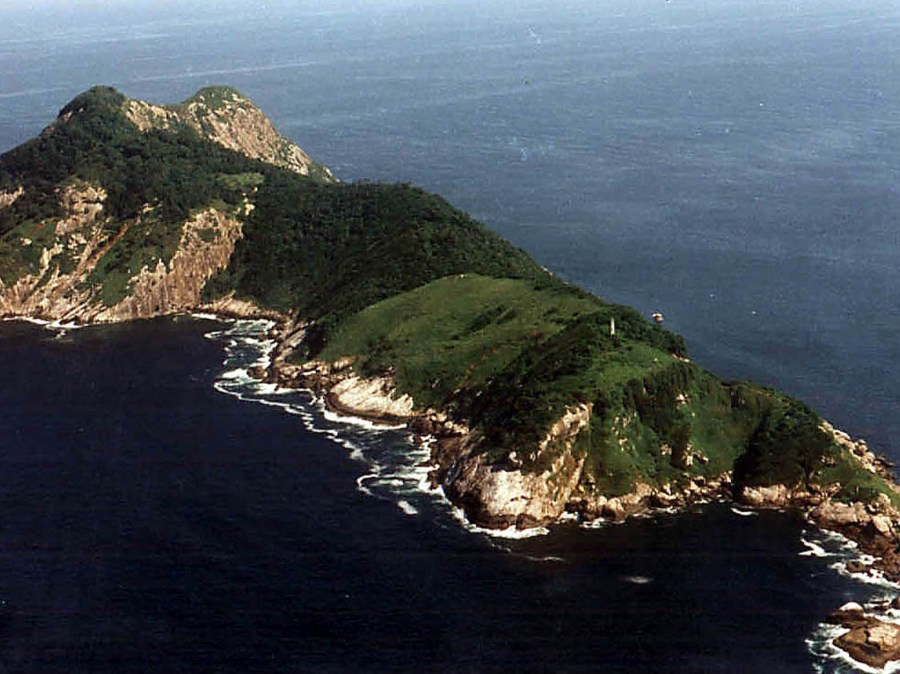
Due to rising sea levels thousands of years agone, the snakes—an incredibly deadly pit viper species known as the golden lancehead—became isolated from the mainland and, having only birds to prey on, evolved to become incredibly venomous. Unsurprisingly, the sheer danger of the island has led Brazilian authorities to deem it illegal for anyone to set pes on Ilha da Queimada Grande.Instead, we suggest visiting the much tamer Snake Island located in Boston Harbor, which is named for its harmless serpent-like shape.
Pine Gap | Most Alice Springs, Australia
Dotted with golf ball-like spheres called radomes, this stretch of desert in Australia'southward Northern Territory provided the perfect identify for a CIA base of operations during the Cold War, when collecting intelligence was of utmost importance. At present, signs on Pine Gap's dead-end road label it equally a "Joint Defense force Facility." Essentially, information technology'south an intelligence and armed services operation upheld by both Americans and Australians.
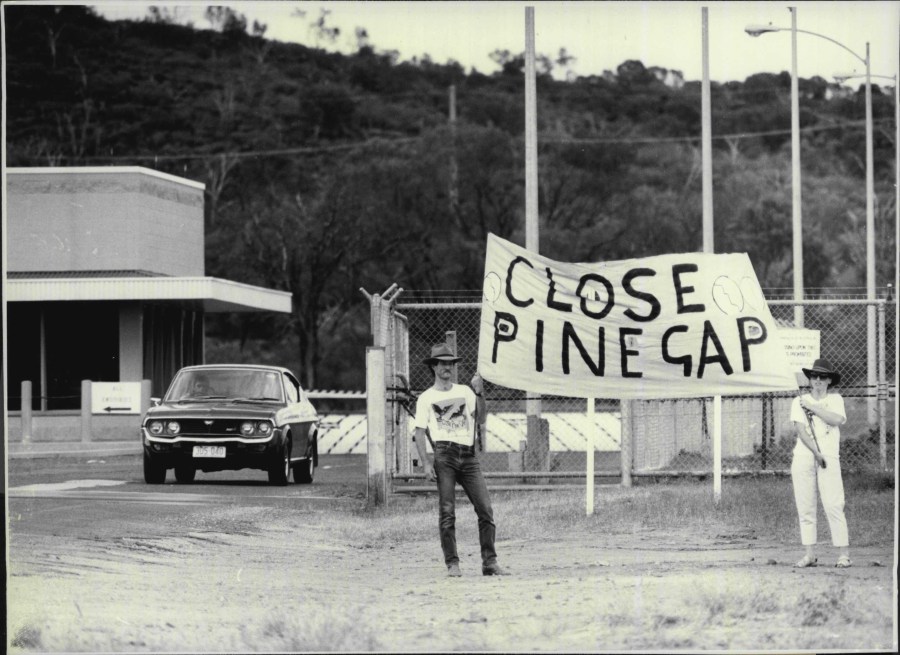
Simply the route signs also warn trespassers to turn around and refrain from taking photographs. Undoubtedly, the just affair warm about this welcome is the heat of the Outback. Nevertheless, in recent years, anti-war protestors, or "peace pilgrims," have disregarded the signs and entered the prohibited area in an endeavor to illustrate the importance of closing this Cold State of war-era relic.
That said, if you fancy an arrest while on vacation feel complimentary to disregard the signs, too. Otherwise, snap pictures of the geodesic domes from the neighboring MacDonnell Ranges.
Svalbard Global Seed Vault | Island of Spitsbergen, Svalbard Archipelago
At first glance this entryway, slanted into an icy mountainside, looks like part of Repeat Base, the Rebel Brotherhood's settlement on the snowfall-laden planet Hoth. In reality, it'due south not in a milky way far, far away, merely on an island in the Svalbard archipelago, midway between the Due north Pole and the furthest reaches of mainland Norway.
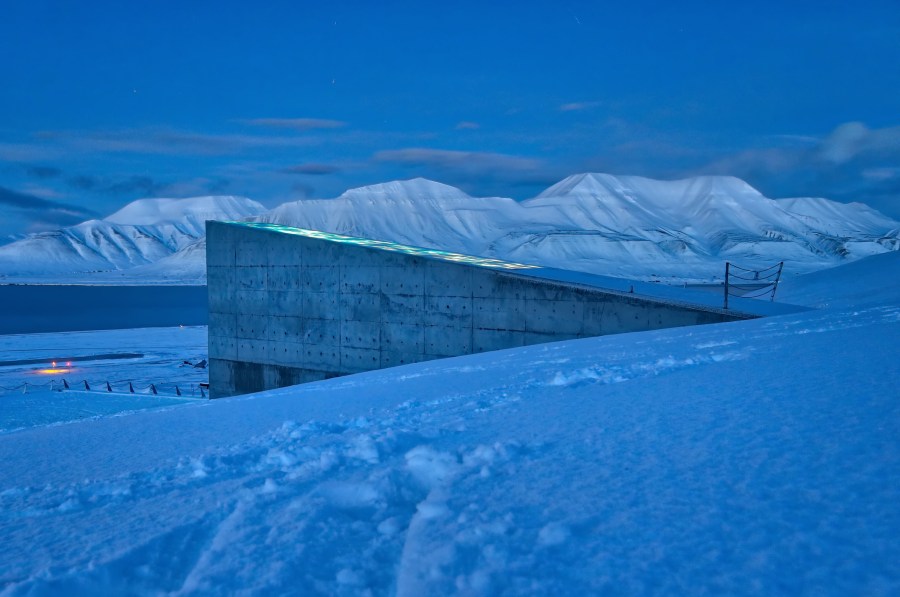
Thank you to the natural permafrost that keeps the Vault'south contents at the required -18°C, it's able to store some of the world'southward most valuable assets: seeds. According to Crop Trust, the group backside the massive try, the aim of the Vault is to "safeguard as much of the earth's unique crop genetic material equally possible." Currently, the Vault holds more than 968,000 samples out of a possible 2.five million seeds.Burrowed iii,280 anxiety into a mount and on a remote island? Consider the Seed Vault our new favorite doomsday hideout.
Ni'ihau | Hawaii
Known as the "Forbidden Island," Ni'ihau is, in many means, unchanged past time. Though touched by colonialism—a Scottish woman named Elizabeth Sinclair-Robinson purchased Ni'ihau from Rex Kamehameha V in 1864—the native culture and manner of life has been largely preserved.
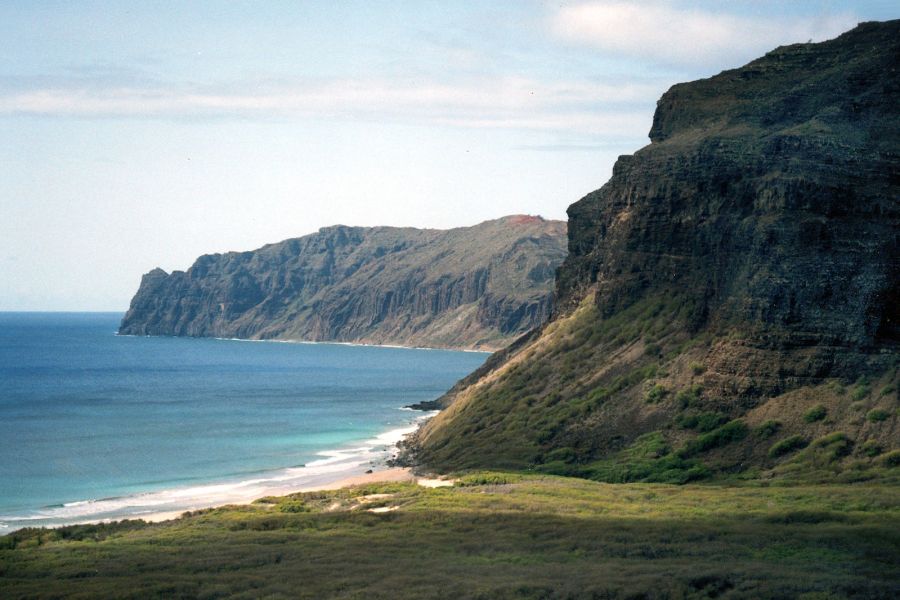
The Robinson family initially welcomed outsiders who wanted to observe the people of Ni'ihau's mode of life, but a devastating polio outbreak in 1952 caused them to ban visitors. Today, these visitation restrictions hold true. Ni'ihau, which does non accept paved roads or running water, is preserved against outside influence and has allowed the native peoples to maintain their cultures, traditions, and fashion of living.In fact, the but manner to literally set up foot on the island is by personal invitation from the Robinson family. Otherwise, you can settle for flying over the isle, via helicopter, or snorkeling in its nearby reefs.
Lascaux Cave | Near the Village of Montignac, French republic
In southern French republic, Lascaux cave houses over 600 prehistoric paintings on its walls and ceiling. Subsequently World War Ii, the caves were opened to the general public, but their soaring popularity posed a significant trouble: carbon dioxide.
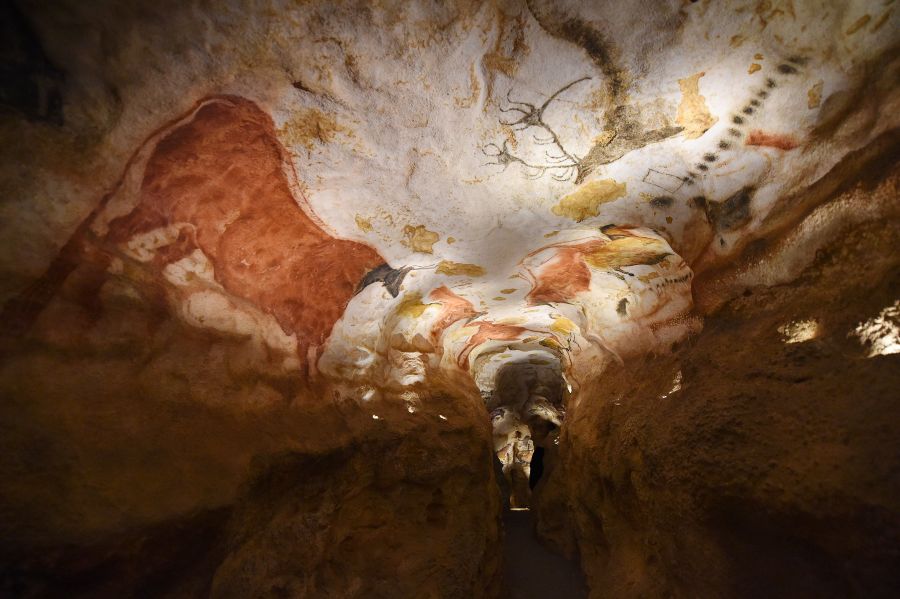
This by-production of breathing damaged the artwork and had a hand in changing the environment inside the cavern system too, causing fungi and lichen to moss over the walls. To prevent further deterioration, the caves were closed to the public in 1963.Prehistoric cave art was likewise discovered in Kingdom of spain, at Altamira, and, while this cave remained accessible through the 1970s, the walls faced similar damage, resulting in a 3-yr waitlist to see the paintings. With no plans of reopening, both Lascaux and Altamira tried to replicate the feeling of entering such immense, unique spaces by installing faux-wall and -ceiling fragments in galleries nearby the sites.
Area 51 | Lincoln Canton, Nevada
From experimental aircraft to avant-garde weapons systems, Surface area 51 allegedly has it all. Just the highly-secretive nature of the military installation's operations also make it rife for conspiracy theories and UFO folklore, and even inspired an episode of The X-Files. Situated roughly 83 miles northwest of Las Vegas, the sprawling "no-wing" zone encompasses the Groom Lake table salt flat and a large swath of airfield. This all seems mundane, at least at outset glance.
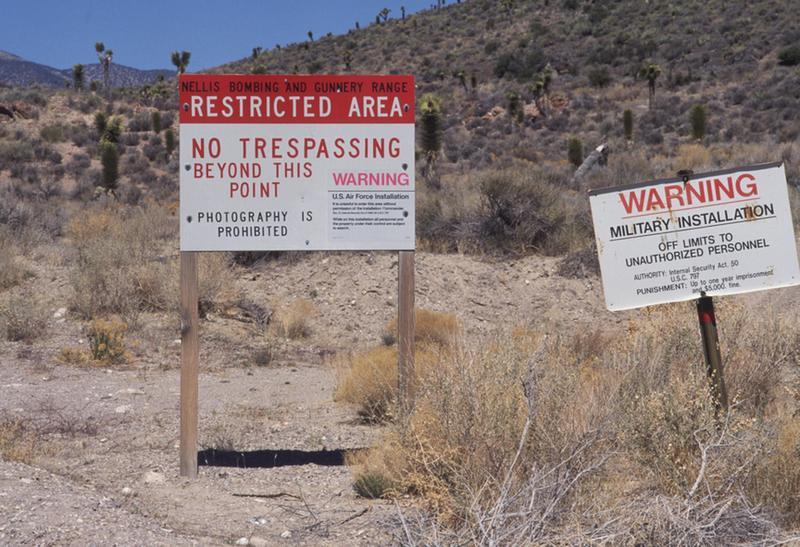
Most of the base of operations's operations occur underground, adding to the mystique. Conspiracy theories vary wildly: some believe the military uses Expanse 51 to develop technology capable of decision-making the weather or inducing time travel and teleportation, while others believe information technology stores the remains of the crashed alien spacecraft allegedly recovered in Roswell, New United mexican states.
Still, the only out-of-this-earth destination tourists can wait to visit is the nearby "Extraterrestrial Highway," which embraces the otherworldly implications of the site.
Bhangarh Fort | Rajasthan, India
Yeah, you tin can explore (most of) India'due south Bhangarh Fort to your heart's content, merely yous'll be greeted past a sign from the Archaeological Survey of Republic of india that ominously reads, "It is forbidden to enter [the] borders of the haunted Bhangarh Fort before sunrise and subsequently sunset." Why'due south that? The fort is believed to exist ane of the most haunted places in the world.
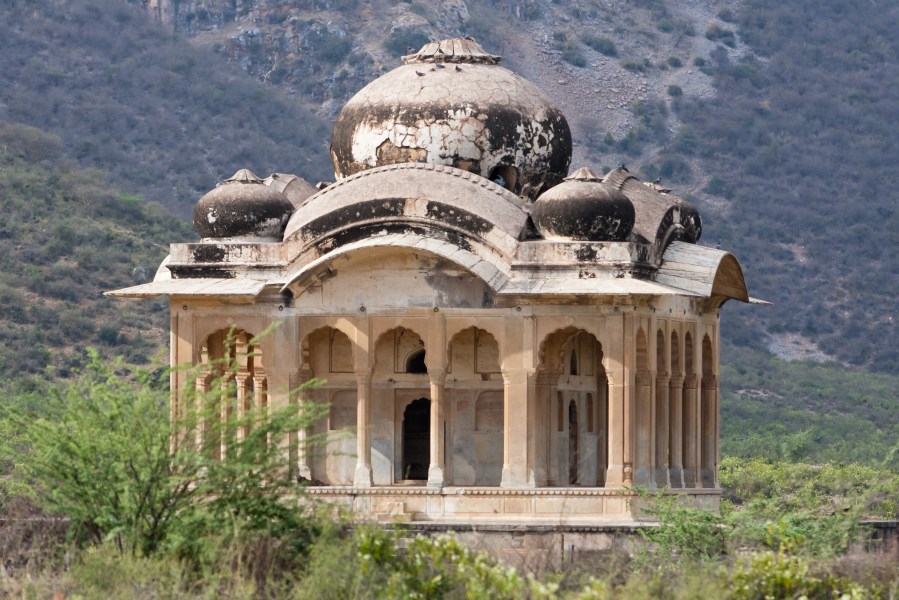
Even during the daylight, visitors claim to hear ghostly screams and music, or run into inexplicable lights and shadows. Some stories claim a tantric, who failed to win over Princess Ratnavati with his magic, cursed the grounds, while others assert that Guru Balu Nath, who'd asked that the fort's shadows not impact his preferred meditation spot, invoked his own curse when King Madho Singh didn't obey his asking when constructing Bhangarh. To this twenty-four hours, whatsoever effort to cover the buildings has ended in plummet.
Mount Weather Emergency Operations Heart | Blue Ridge Mountains, Virginia
Only nether l miles from Washington D.C., tucked away in the dumbo tree-line of the Blueish Mountains, sits the United States' most robust contingency plan, Mountain Weather condition. Like many sites on this list, the facility is a Cold State of war-era project and near of the complex exists hush-hush.
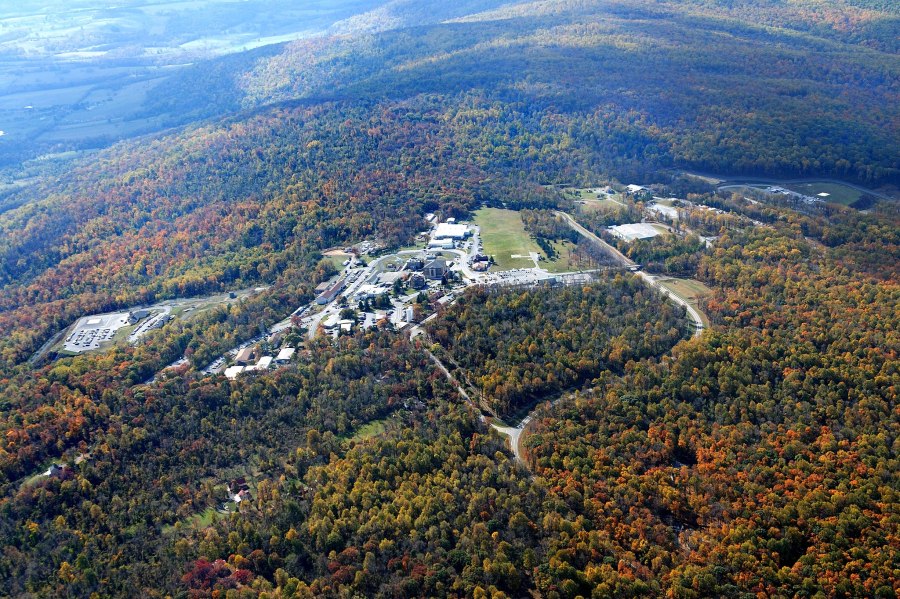
The thought: if any national disaster threatens the prophylactic of high-level government officials, they're brought to this bunker, which has its own burn department, infirmary, and television studio for post-emergency regime broadcasts.Though the globe's most noteworthy doomsday bunker sounds similar something out of a post-apocalyptic motion picture, it has been used a scattering of times: most notably, leadership were relocated to Mountain Weather during the events of both the Cuban Missile Crisis and 9/11. Long story short, it'south 1 of the about heavily-guarded places in the world, so if you approach the spinous wire and armed guards, we recommended just taking a hike.
Robins Island | Peconic Bay, Long Isle, New York
Known equally one of the largest privately-owned islands on the E Coast, the teardrop-shaped Robins Island was purchased by Louis Moore Bacon in 1993 for $11 meg. A real (estate) steal to own the unblemished 445 acres of land, filled with oak and cherry copse and deer roaming freely.
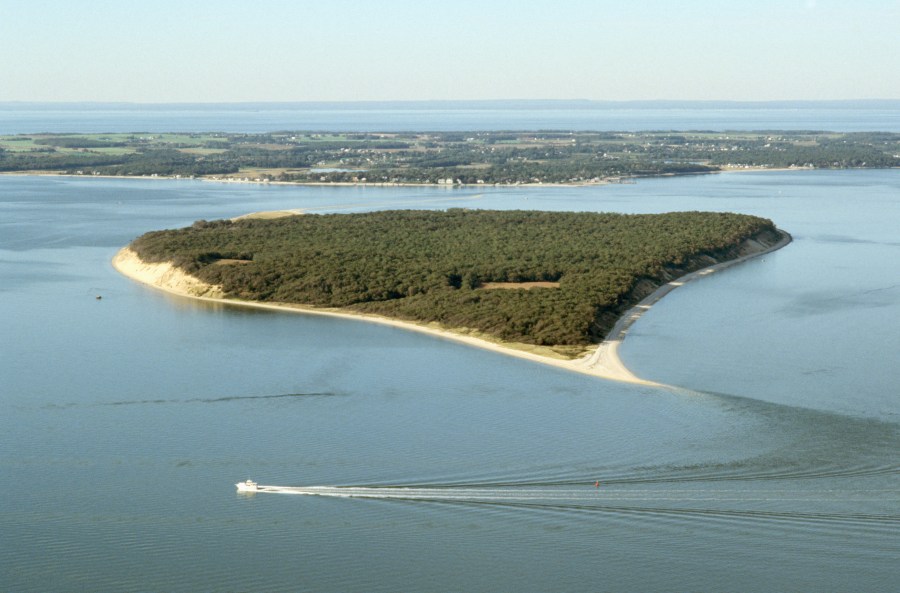
Bacon, a Wall Street investor from Greenwich, Connecticut, wanted to preserve the natural splendor of the isle, which, according to the New York Times, environmentalists accept dubbed, "Long Island's Yosemite Valley." Unless yous're working with the Nature Conservancy, or 1 of Bacon'south close friends, you probably won't be setting foot on Robins Island anytime soon.A fun alternative? Co-ordinate to local Long Island-based publication, Sag Harbor Limited, boaters sometimes convene on the calm channel, near a low-tide sand bar but to the north of Robins Island, which they fondly refer to equally the "Jewel of the Peconic."
Area 122 | Ross Island, Antarctica
Dubbed "Antarctica'south Area 51" by journalists, Area 122 is ane of 170 Antarctic Particularly Protected Areas scattered throughout the continent. But, unlike the other science labs, it certainly garners the near conspiracy theories.
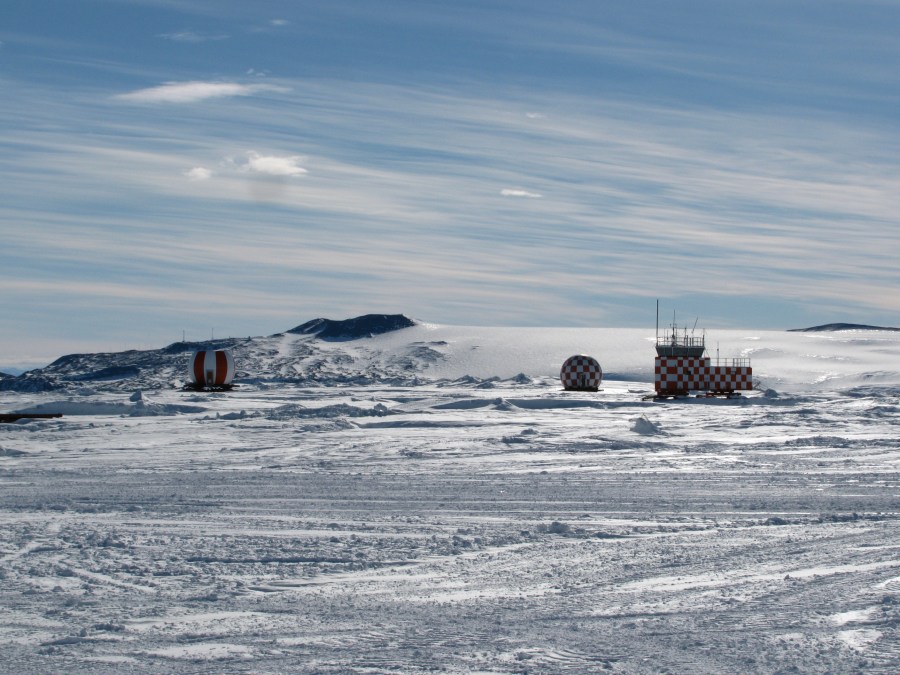
Though the nature of the inquiry is undisclosed, it'due south commonly thought that scientists are studying the aurora borealis or the ozone layer, and how these elements are being impacted by climate modify. Operated jointly past the The states and New Zealand, the facility is off-limits to the public. However, in 2018 a New Zealand-based journalist made the treacherous trip to Ross Island. Within, the journalist reported that she was shocked to see outdated computers and equipment akin to a sci-fi moving-picture show from the 1980s.Despite the reported inconspicuous nature of the lab, at that place's certainly something intriguing about a place so remote and and so shrouded in secrecy.
Mausoleum of Qin Shi Huang | Xi'an, China
In 1974, farmers digging wells outside of 11'an, China made an astounding archaeological discovery: they unearthed the first of thousands of life-sized clay soldiers. Known colloquially as the terracotta army, or terracotta soldiers, these statues are exquisitely-detailed, amazingly expressive, and arranged as an actual squadron would've been. Even more impressive? They are all function of a mausoleum belonging to the First Emperor of Qin, Qin Shi Huang.
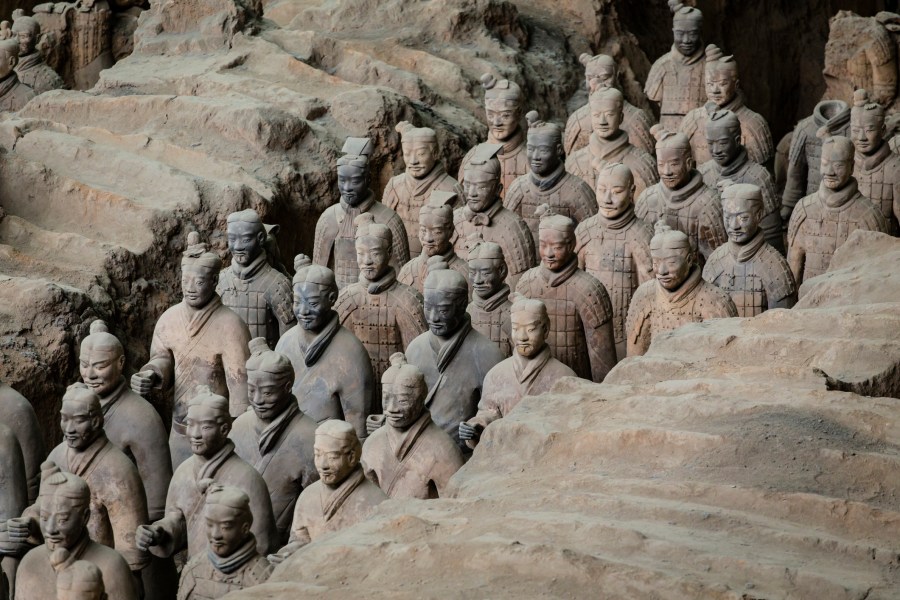
Archaeologists posit that roughly viii,000 figures, from warriors and weapons to horses and chariots, exist in the mausoleum, not including the treasures that lie in the unexcavated tomb of Qin Shi Huang himself. Notwithstanding, the Chinese regime has decided to halt the dig and so applied science can grab up and ensure a safer digging process.Since researchers believe Qin Shi Huang died as a result of ingesting mercury, a supposed elixir of immortality, mercury contagion in the soil likewise presents a trouble.
Menwith Colina Regal Air Force Station | N Yorkshire, United Kingdom
The Royal Air Force's base at Menwith Hill is another articulation operation, this time between the United States and the U.k.. Every bit if the rows of massive radomes—those golf game ball-looking structures that enclose and protect satellites—weren't plenty to tip you lot off, remainder assured that Menwith Hill deals in intelligence and advice.

Dorsum in 1954, the British War Office leased the parcel of land to the United States, which wanted to increment its presence during the Cold War. What started as a way to monitor the Soviet Wedlock's transmissions shortly became an installation with the aim of monitoring all signals passing through British territory. Much similar Pine Gap, Menwith Colina is the cause of many anti-war protests, but demonstrating is non the style to slip into the installation—you're sure to exist intercepted.
Center Reef | Whitsunday Islands, Commonwealth of australia
When you think of an Australian tourism campaign, surely spotting a kangaroo, downing a Foster's beer, and swimming up close to that little heart-shaped bit of coral in the Bully Barrier Reef come up to mind. The only element on that mental checklist that doesn't ring completely false? Glimpsing a kangaroo.
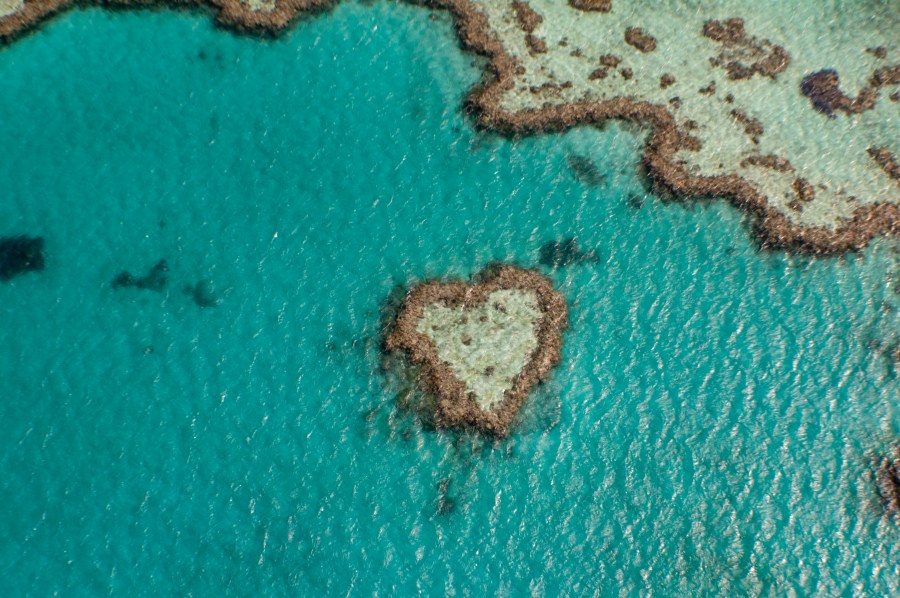
Though Foster'due south is billed as the quintessential Aussie lager, information technology'due south no longer made in Melbourne and imbibed far more in Great britain. And that iconic Center Reef? Aye, it's part of the Neat Barrier Reef, but you won't exist snapping a selfie near information technology any time soon as snorkeling and diving well-nigh the Heart Reef are strictly prohibited in gild to protect it. Then, either hire a seaplane and spot information technology from above, or settle for a 1200-mile drive down to the Sydney Opera House for a tourist snap that definitively says "the country Down Under."
Granite Mountain Records Vault | Little Cottonwood Canyon, Utah
Certain, our next non-destination is built into a mountainside and equanimous of a network of underground tunnels, but it isn't a military installation. The Mormon Church's Granite Mountain Records Vault claims to be the world'southward largest collection of genealogical records. It also acts equally a repository for important Mormon Church building-related documents and historical materials. The catch? Public tours are no longer offered.
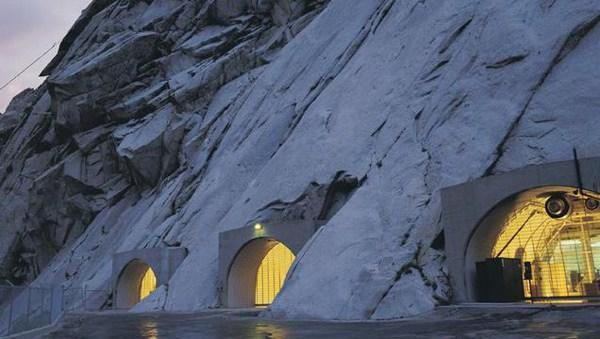
According to the Mormon Newsroom publication, the vault holds "more than 3.5 billion images on microfilm, microfiche, and digital media," and the Church is currently working to digitize these extensive records. According to Church officials, the vault began operations in 1965, non as a means of keeping information a secret, but as a means of keeping the records secure and unblemished. Still innocuous the facility is, you still don't have a prayer of getting in.
Koh Tachai | Thailand
Similar most Thai marine parks, Koh Tachai, an island in Similan National Park, is airtight every May through October for monsoon flavor. But, in 2016, Koh Tachai did not reopen in Nov to tourists.
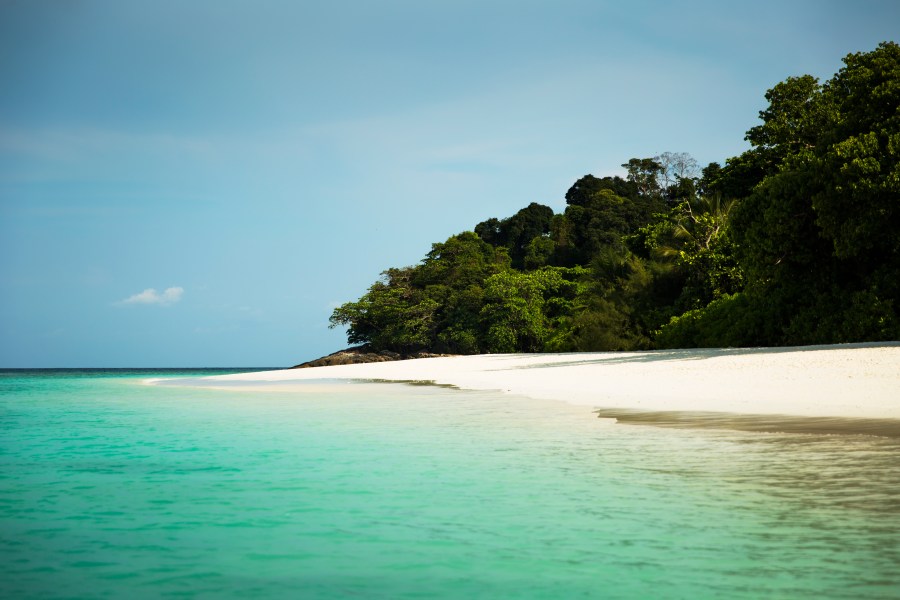
Popular with divers, the beautiful beaches of Koh Tachai used to smashing with fourteen times the amount of people experts said information technology should hold. In addition to overcrowding, inexperienced defined, more concerned with photographs than their environs, damaged the island'southward frail reefs. All of this said, officials decided to close the island for rehabilitation, though many fear the damage is irreparable.And this isn't just a trouble on Koh Tachai. Other destinations around the world, including Ecuador's Galapagos Islands, face harm from overcrowding and tourists' negligence. As of now, Koh Tachai is closed to tourists indefinitely.
United nations Buffer Zone | Cyprus
In the aftermath of a ceremonious war between its Greek and Turkish communities, the island of Cyprus was eventually separate into two regions. To enforce this divide after the ceasefire of 1974, the United Nations established a permanent demilitarized buffer zone between the Greek and Turkish areas. The buffer zone remains off-limits, with walls and barbed wire fencing off this in-between space.

In addition to aging houses and advertisements hawking products of a foretime era, the buffer zone also contains an abandoned airport and several rusted-over airplanes. Though some areas of the 112-mile buffer zone, such as those inside the capital metropolis of Nicosia, incorporate large swathes of land, other stretches are just a few feet broad. Pyla, a hamlet inside the buffer zone, marks the sole place where Greek and Turkish Cypriots live together.
Mezhgorye | Republic of Bashkortostan, Russian federation
Located in the southern Ural Mountains, Mezhgorye is a closed town in the Commonwealth of Bashkortostan, Russia. Though it was founded in 1979 (under the name Ufa-105, a reference to the Republic'southward capital letter), Mezhgorye was officially given (pinnacle hush-hush) town status in 1995.
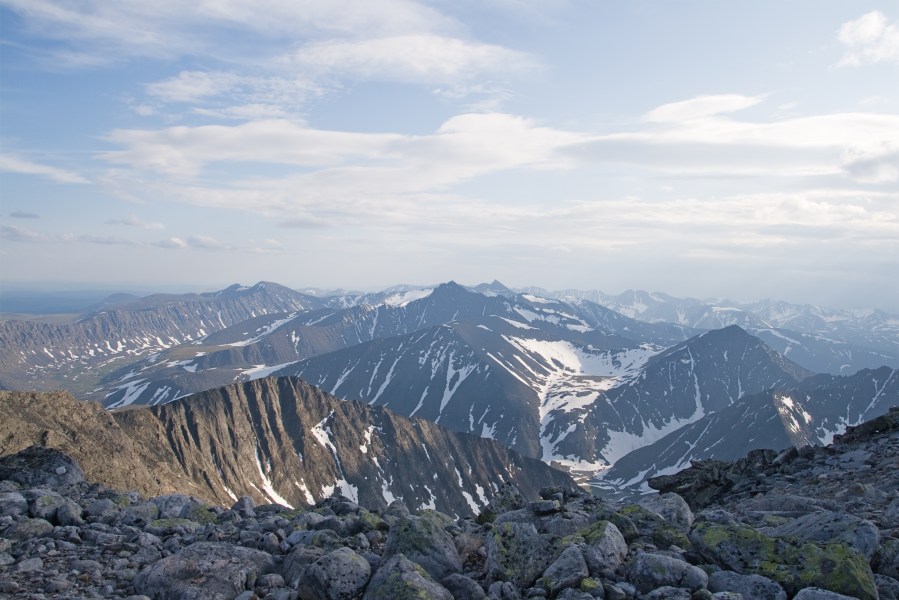
Many believe the boondocks cropped upward initially to provide a abode to those working at the highly secretive Mount Yamantu operation, a Common cold State of war-era base focused on developing a response to the Us' nuclear weapons.Despite the fact that Russian officials are notoriously vague when it comes to answering questions about the base of operations, it's believed that the mountain facility is also a nuclear bunker and storage area for artifacts and supplies. What does remain clear is that the closed town of Mezhgorye, with a population of 17,353, was built specifically for Mountain Yamantu workers, only adding to its mystique.
jeffriessumbracked.blogspot.com
Source: https://www.ask.com/travel/destinations-you-cant-visit?utm_content=params%3Ao%3D740004%26ad%3DdirN%26qo%3DserpIndex
0 Response to "When Are You Going to Go Visit Again in Spanish"
Post a Comment